You will see more of your stock than you can see now.
Outsourcing normally means giving up the ability to walk into the room and look. It should not. Every order is filmed, every bin is on your screen, and the people handling your stock answer you directly.
You lose the ability to go and look
Today you can walk into the stockroom and count it yourself. Handing that to somebody who sends a spreadsheet on Fridays is a real loss, and most 3PLs quietly ask you to accept it.
Nobody packs it the way you do
You have a standard for what goes out and how the parcel looks. The worry is that it becomes somebody's eighth order of the morning, and you only find out through a customer.
The move itself is the risky part
Everything you own, in boxes, counted by people you have just met. Get it wrong and you do not find out for months, when the numbers stop adding up.
You cannot film your own packers. We film every one.
Your dashboard is the screen the warehouse works in — not an export of it. Stock by bin, orders as they ship, returns as they are graded, all moving while the floor moves.
Any figure opens into the records underneath it, down to the video of one parcel being packed. In your own warehouse you can look at the shelf. Here you can look at the shelf, the scan, the packer and the footage, at two in the morning, from your phone.
Hello Rowan & Co.
Sunday, 12 October · here is where everything is.
- Stock by product
- Packing videos
- Message the team
Enforced by the system, not remembered by a person.
Your packaging, your inserts, your gift-note and bundle rules. The parcel goes out the way you specify it, because the bench is following a rule rather than a briefing somebody half remembers.
Picking is verified by scan against the order line, so the wrong item cannot go into the right parcel. The label will not print until the order has been packed in full — an item left on the bench is a blocked order, not a silent shortage your customer discovers.
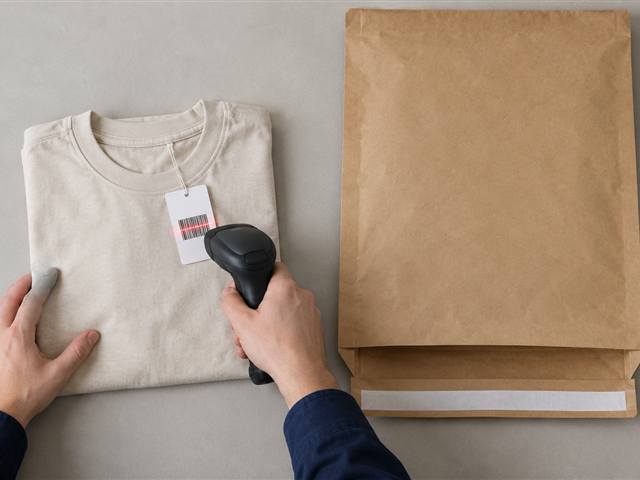
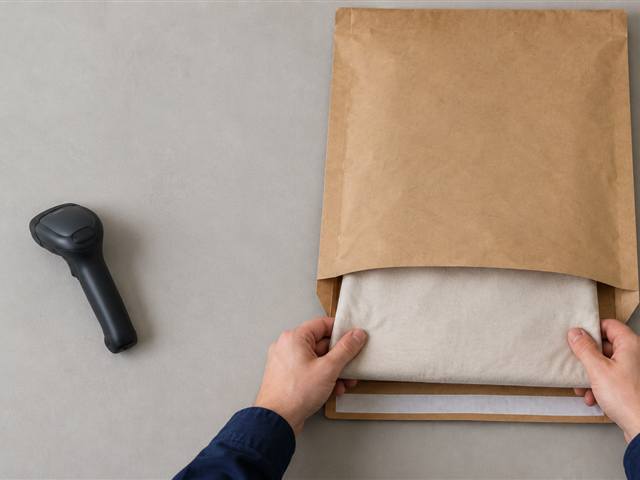
 Bench camera00:27
Counted in like any other delivery, line by line.
Straight answer: you arrange the transport to us. What we control is the counting at this end, and that is where a move actually goes wrong.
Your stock is received against what you told us was coming, counted per unit rather than per carton, and scanned into a named bin. Every delivery produces a goods-received note line by line, and anything short, over or damaged is raised the same day.
So if something goes missing between your shelf and ours, you know that week — with a document showing exactly which line it was.
2 short on RKM-SND-L. Photographed and raised with you at 11:34, while the pallet was still on the floor.
What changes on day one.
- Paying for space you half use in January and overflow from in October
- Hiring, rostering and covering sickness for a packing bench
- Being the person who has to pack when somebody calls in ill
- Counting stock on a Sunday because the numbers drifted
- Negotiating your own carrier rates at your own volume
- Video of every order going out and every return coming back
- Bin-level stock on the same screen the floor uses
- Charges itemised as the work happens, not a month later
- Returns inspected, graded and restocked without you touching them
- A capacity ceiling agreed in writing before peak, not discovered in it
You do give something up, and it is worth naming. You cannot walk over and pull an order back off the bench at five o'clock because a customer rang, and you cannot make a one-off exception by asking the person doing it. Everything becomes either a rule or a message. Most brands find that is precisely the point — it is what stops the exceptions becoming the process. A few genuinely miss it, and they are usually the ones who should wait another year.
Send us one week of orders.
Not all of it, and not yet. One channel or a share of each day is enough to see the dashboard fill up with your own stock.